- Sidhumotor17@gmail.com
- Truganina VIC 3029, Australia
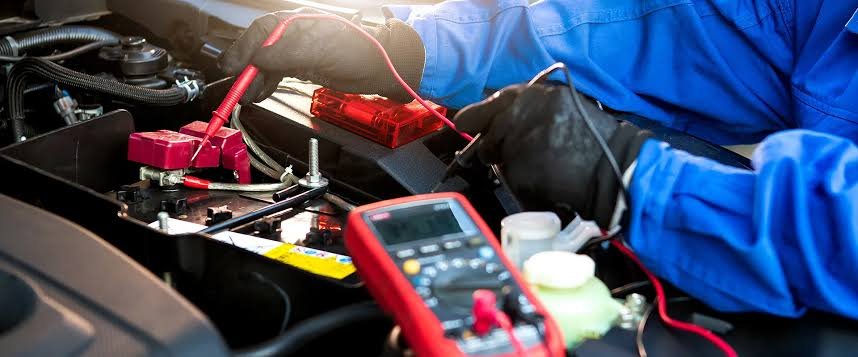
Modern vehicles are more advanced than ever. From engine management systems and digital dashboards to parking sensors and automatic climate control, almost every part of a car depends on electrical components. While these technologies make driving easier and more comfortable, they can also create problems when something goes wrong. This is where professional auto electrical repairs become important.
Electrical faults can affect your vehicle’s performance, reliability and safety. Some problems may appear as a warning light on the dashboard, while others can cause starting difficulties, faulty lights or unexpected battery drainage. Understanding common electrical issues and knowing when to seek professional assistance can help you avoid unnecessary breakdowns and expensive repairs.
A modern car relies on several electrical systems that work together to keep it running smoothly. The battery supplies power when starting the engine, while the alternator helps recharge it during operation. Sensors monitor different vehicle functions and send information to the engine control unit (ECU), which helps manage engine performance.
Other electrical components include headlights, power windows, central locking, air conditioning controls, infotainment systems and safety features.
When one component develops a fault, it can sometimes affect other parts of the vehicle. Professional auto electrical repairs help identify the actual source of the issue rather than simply replacing parts without understanding the problem.
Electrical problems can develop gradually or appear without warning. Recognising the symptoms early can make repairs easier and help prevent further damage.
A weak or damaged battery is one of the most common reasons a vehicle struggles to start. You may notice slow engine cranking, dim headlights or electrical accessories that do not work properly.
However, the battery is not always the cause. A faulty alternator, loose battery connection or damaged charging cable can also create similar symptoms.
A professional inspection can determine whether the battery needs replacement or another charging system component requires attention.
The alternator plays an important role in supplying electrical power while the engine is running. It also helps recharge the vehicle’s battery.
If the alternator is not working correctly, you might notice a battery warning light, flickering headlights, unusual electrical behaviour or repeated battery problems.
Ignoring these warning signs can eventually leave your vehicle without enough electrical power to operate properly. Timely auto electrical repairs can help prevent unexpected breakdowns.
Your vehicle contains a network of wires and connectors that carry electrical signals between different components. Over time, these wires may become damaged due to heat, moisture, vibration or general wear.
Damaged wiring can cause intermittent electrical faults, malfunctioning accessories, blown fuses or problems with vehicle sensors.
Finding wiring problems requires careful inspection and suitable testing equipment. Simply replacing a fuse without identifying the underlying cause may not solve the issue.
The starter motor is responsible for turning the engine when you start your vehicle. If it develops a fault, you may hear clicking sounds or notice that the engine does not crank.
Although battery problems can create similar symptoms, the starter motor, solenoid or related electrical connections may also be responsible.
A proper diagnosis helps identify which component needs repair or replacement.
Modern vehicles use electronic sensors to monitor engine temperature, oxygen levels, airflow, wheel speed and many other functions.
When a sensor stops working correctly, it may send incorrect information to the vehicle’s computer. This can trigger dashboard warning lights, reduce engine performance or affect fuel efficiency.
Professional diagnostic testing helps identify fault codes and determine whether the problem comes from a sensor, wiring connection or another related component.
Finding an electrical fault is not always straightforward. Several different components can produce similar symptoms, which is why accurate diagnosis is essential.
A professional auto electrician generally follows a systematic process:
This approach helps avoid unnecessary replacements and ensures the underlying issue receives proper attention.
Electrical problems do not always cause an immediate breakdown. Sometimes, your vehicle gives small warning signs before a more serious fault develops.
Look out for these common symptoms:
If you experience any of these symptoms, arranging an inspection is a sensible step. Early attention can help reduce the risk of additional electrical damage.
Although electrical components naturally wear out over time, regular maintenance can help keep your vehicle’s systems in good condition.
Check your battery regularly: Look for corrosion around the terminals and ask a professional to test the battery when necessary.
Keep electrical connections secure: Loose or damaged connections can interrupt the flow of electricity and cause unpredictable problems.
Avoid overloading electrical accessories: Using unsuitable aftermarket accessories or incorrect wiring can put additional pressure on the electrical system.
Pay attention to warning lights: Do not ignore battery, engine or other electrical warning indicators.
Schedule regular vehicle inspections: Routine checks can identify developing issues before they become more expensive to repair.
Modern vehicles depend on complex electrical systems, and even a small fault can affect several important functions. From battery and alternator issues to damaged wiring, starter motor problems and faulty sensors, identifying the correct cause is essential for a lasting solution.
Professional auto electrical repairs help restore vehicle performance, improve reliability and reduce the risk of unexpected electrical failures. Rather than ignoring warning signs or attempting uncertain fixes, having your vehicle properly inspected can save time and prevent further complications.

Behind the word mountains, far from the countries Vokalia and Consonantia, there
© 2026 Sidhu motor works. All rights reserved. Powered by Web Design Company India